
 St Mark's Primary School



Anxiety in Children
What is anxiety?
At some point in their childhood, all children will feel anxious about something and this is a completely normal part of growing up along with taking ‘safe risks’ to develop their independence and social skills. There may be common anxiety triggers such as starting a new hobby or changes like meeting a new teacher, as well as more specific ones such as a parent becoming ill or a newly established fear. Children that have lived through an adverse childhood experience, for example the death of a close relative, a traffic accident, or an acrimonious parental separation may show increased signs of anxiety which may have escalated rapidly.
Most children will be able to share worries with a trusted adult which will help them reason through their thoughts and this, along with time and life experience will help lessen the anxiety.
Anxiety can become more of a problem when it stops children from attending school, socialising or joining in with activities they want to participate in.
There are signs to be aware of if your child is becoming over-anxious, such as;
- Sleeping disturbances – trouble getting to sleep, waking often, needing to be close to an adult,
- Wetting the bed, bad dreams.
- Mood changes – irritable, clingy, crying, temper tantrums, overly shy, angry.
- Lacking confidence in everyday activities
- Reluctance to socialise with friends or family members.
- Withdraw from everyday situations and reduction in general conversation.
- Often feeling ill or having a headache / tummy ache.
- Over-eating or not eating enough.
Parents, carers and school staff can all help support children with anxious behaviours. Be careful not to dismiss or minimise a child’s anxiety – as it will seem very real to them.
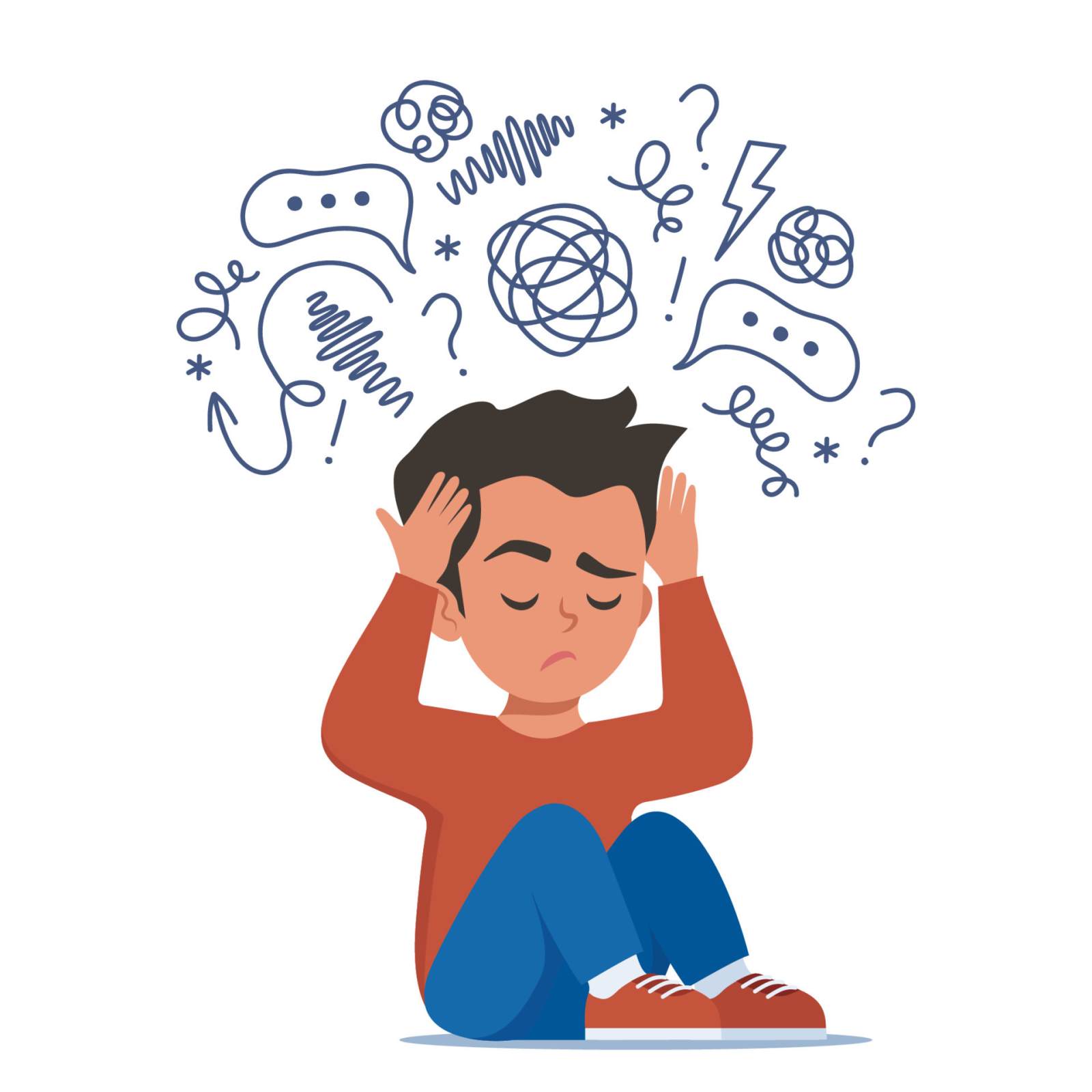
How can you support your child at home
Distraction and positive language are useful strategies initially, along with clear and consistent expectations to maintain normality of routines will all help your child feel settled. For example;
If your child has always visited the supermarket with you but has now become anxious about doing so, you can talk it through beforehand, giving your child options, such as would they like to push a trolley, help choose some favourite groceries, use the self-service tills etc. A conversation about why you need to visit the shop, to buy ingredients to cook a favourite meal, may help de-escalate the anxiety and change your child’s thought process to a more manageable outcome. Discussing keeping the visit as short as you can and during a quiet period, will help model to your child how to think about additional strategies to overcome their anxiety in a variety of settings, rather than avoiding the issue completely.
- Small, manageable steps are the most successful along with open, honest dialogue.
- Always try to talk with your child when they are feeling calm, rather than waiting until they are at a heightened state, as they will be more receptive to suggestions.
- Encourage them to come up with their own ideas of what may help; as this will be a useful life skill for them to practise.
- Try and remain calm yourself as your child will pick up if you are showing them you are worried
When to seek extra help
It may be helpful to seek support if:
- Anxiety is ongoing or getting worse
- Your child is struggling to attend school
- It is affecting daily life
You can speak to your GP, get in touch with the school nursing team (https://sirona-cic.org.uk/children-services/), your class teacher or ask for a referral to the on site Educational Mental Health Practitioner (EMHP), through your Mental Health Lead, Miss Coldwell.
Resources that can help with childhood anxiety:
Books
- Sitting Still Like a Frog, Activity Book. 75 Mindfulness Games for Children, by Eline Snel.
- What to do when you worry too much. A kid’s guide to overcoming anxiety.
- What to do when you dread your bed. A kid’s guide to overcoming problems with sleep, both by Dawn Huebner.
- Mindful Kids. 50 Mindfulness Activities for Kindness Focus and Calm, by Whitney Stewart and Mina Braun.
- CBT Workbook for Kids. 40 exercises and activities to help children overcome anxieties and face their fears at home, school and out in the world, by Heather Davidson
- Workbook: parent-toolkit.pdf
Apps
There are also a range of apps you can download to help your child feel calm, some of these are completely free or have a free trial period:
|
Calm Kids |
Thrive Global |
|
Headspace for Kids |
Smiling Mind |
|
Breathe, Think, Do with Sesame |
Children's sleep meditation |
Websites
YOUNG MINDS -anxiety guide for parents/carers
Childline support for children: Coping with anxiety
Free Phone Helplines
- Young Minds; 0808 802 5544 (Mondays to Fridays 9.30am – 4pm)
- Text SHOUT to 85258 (available 24/7)
- Family Action; 0808 802 6666 (Monday to Friday 9am - 7pm)
Other helplines can be found here: Find a helpline: anxiety